Scientific
Rigorous
Control.
Establishing technical trust through a transparent, reinforcement learning methodology specifically tuned for Canadian industrial robotics and complex hardware-agnostic integration.
The Technical
Manifesto.
Core Ecosystem
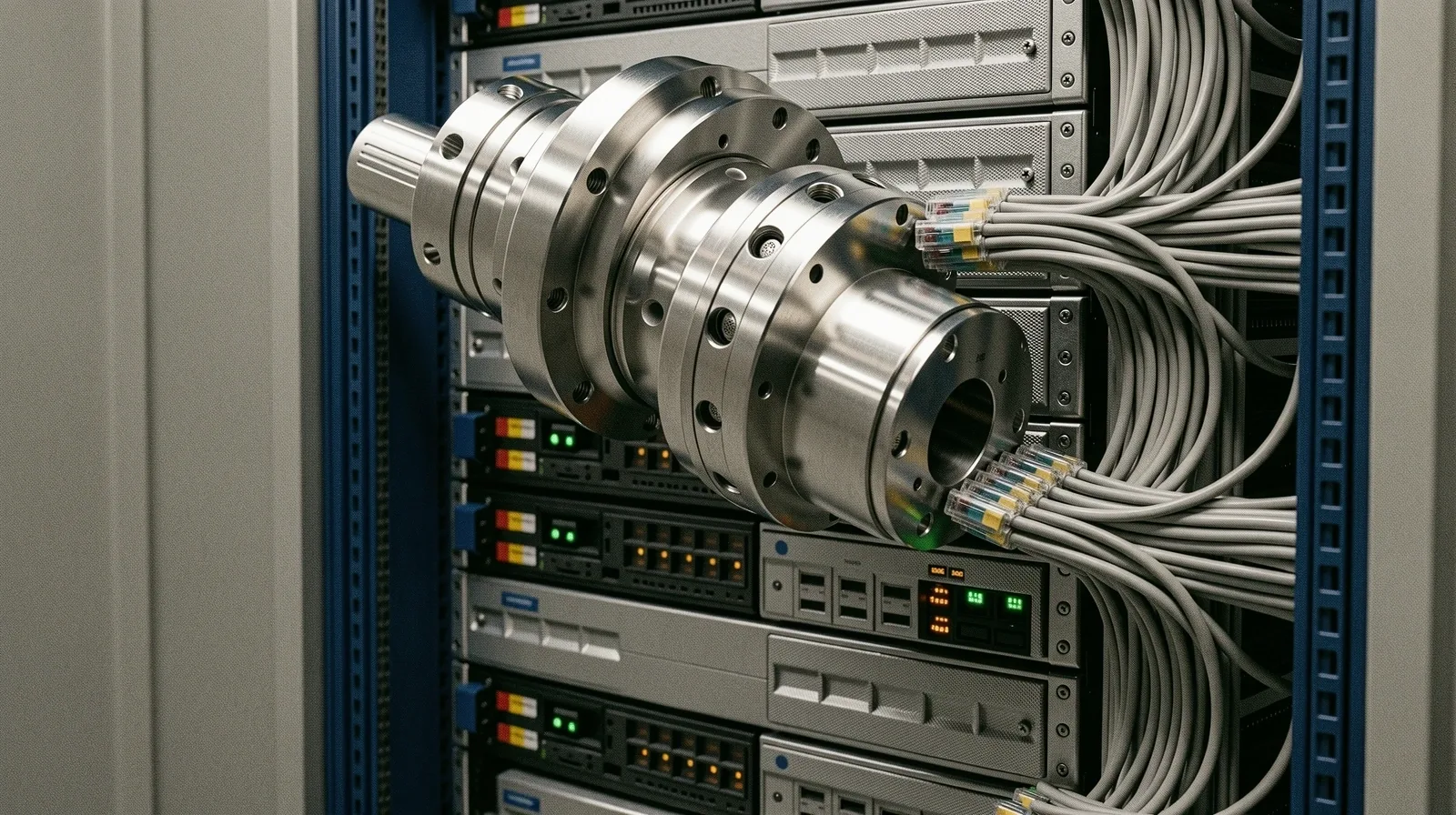
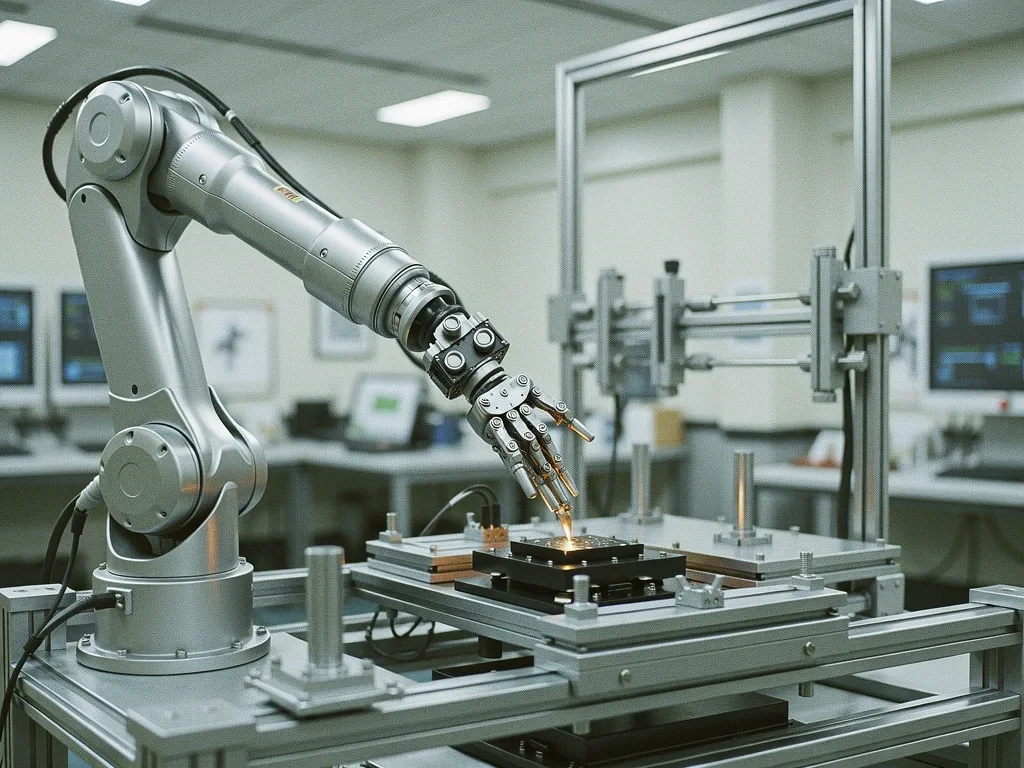
Our reinforcement learning development leverages the stability of PyTorch and the modularity of ROS2, ensuring seamless communication between simulation and physical compute.
CHECKING_SYST... OK
Seamless Flow to Edge Deployment
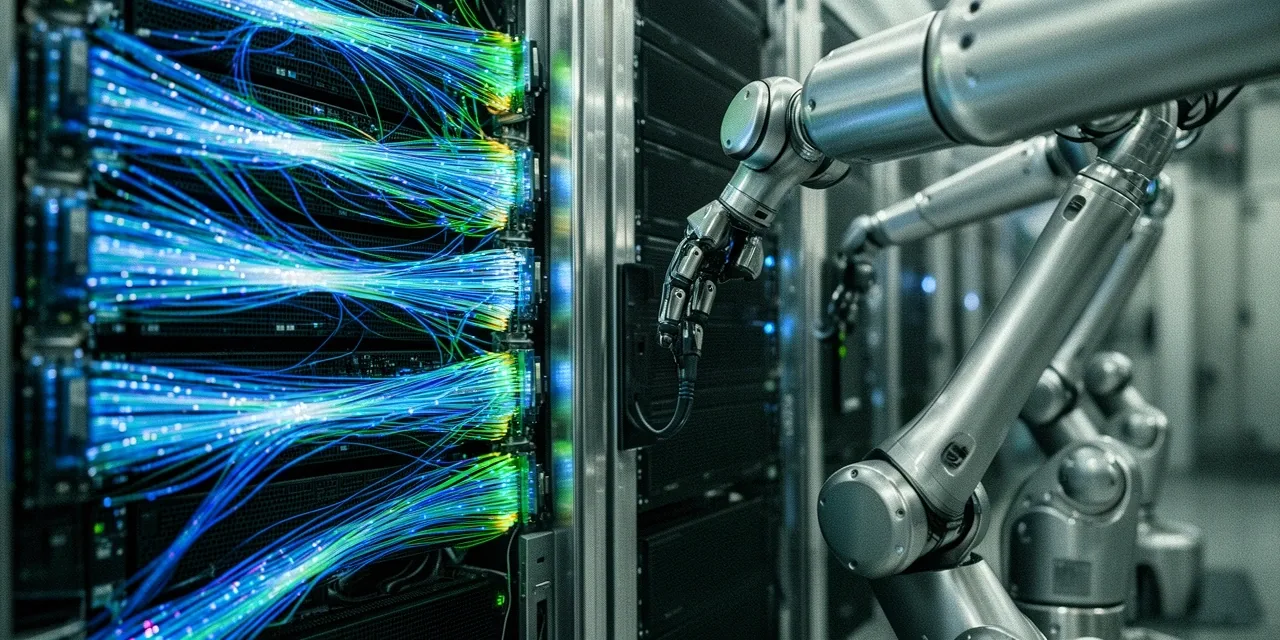
Hardware-agnostic software integration for legacy industrial arms and modern mobile bases across the Canadian manufacturing sector.
Physics-First Simulation
Every RL model undergoes rigorous validation in high-fidelity physics environments using Gazebo and NVIDIA Isaac before a single line of control logic meets hardware.
Real-Time Kernels
Deployment on real-time Linux kernels ensures deterministic latencies critical for safe industrial motion control and obstacle avoidance.
Safety
Layer
The Safepoint
Interlock.
01 / Real-Time Sanity Checks
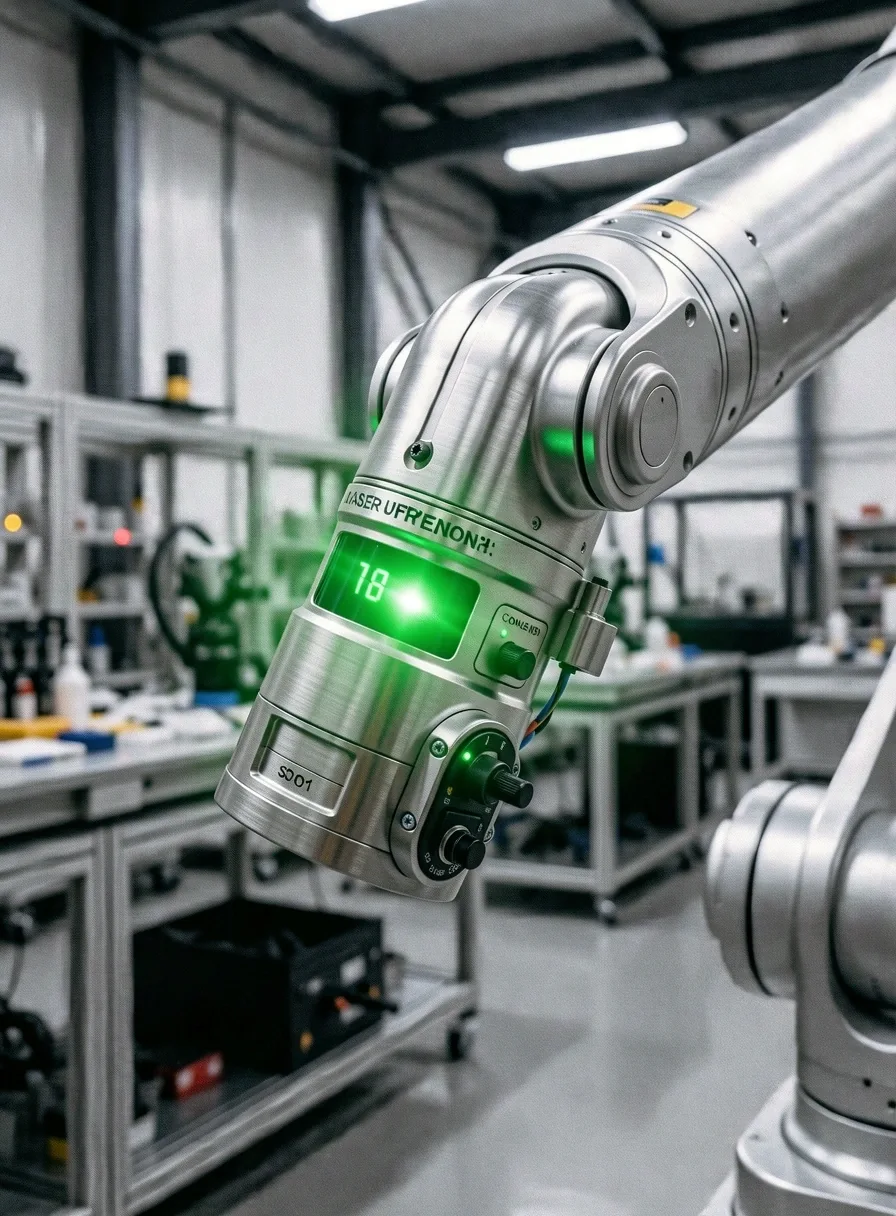
Our proprietary Safepoint Protocol monitors agent drift. If the RL model output deviates from pre-defined physics constraints by more than 0.05ms, the hardware-level watchdog halts execution instantly.
02 / Model Explainability
We move beyond the "black box" of traditional reinforcement learning. Every strategic decision is mapped back to reward-state variables, allowing Canadian engineers to audit the logic path behind every movement.
03 / Hardware Interrupt Priority
Safety is not a software feature; it is an physical architecture. Our control stack places physical E-stops and hardware interrupts at a higher priority level than the AI inference engine.
"Reinforcement learning in a factory environment must be as predictable as a PLC script while maintaining its dynamic adaptability. We build the rigid frame that keeps the fluid intelligence safe."
Rigors
Our Strategy:
Simulation to Reality.
Transitioning from traditional control to reinforcement learning requires a carefully staged technical discovery. We do not gamble with hardware.
1. Environment Baseline
We begin by mapping current hardware capacities and task error frequencies. We analyze existing CAD and physics data to build a digital twin that mirrors your physical floor with 99.8% geometric accuracy.
2. Latency Profiling
RL models require high-frequency feedback loops. We measure your existing network and PLC cycle times to determine if edge compute upgrades are required for fluid agent performance.
3. Reward Shaping
The core of the methodology. We translate your facility KPIs—throughput, energy waste, and mechanical wear—into mathematical reward functions that guide the AI's learning process.
Decision Logic
Why RL over PID?
RL thrives in dynamic environments with variable weights or irregular shapes where traditional PID loops fail.
Autonomous optimization typically results in 15-20% higher throughput in multi-arm cooperative tasks.
Ready for
Discovery?
The first step toward autonomous efficiency is a comprehensive technical audit of your current robotic architecture.